Unlocking Success: The Essentials of Starting a Beauty Business
Jun 02, 2026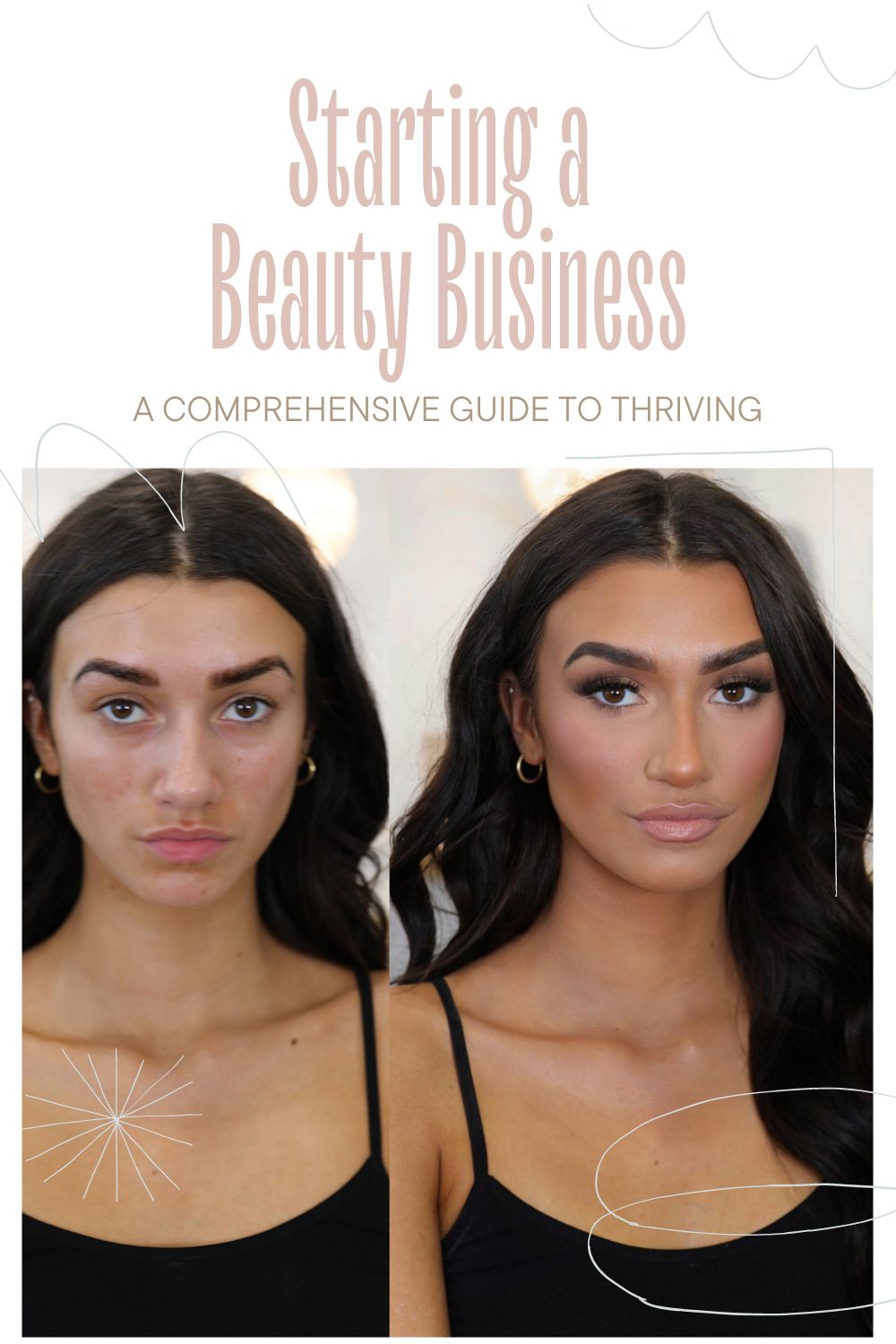
Unlocking Success: The Essentials of Starting a Beauty Business
Ready to dive into the world of beauty? Launching a beauty business is an exhilarating and rewarding journey that requires careful planning, dedication, and industry savvy. Whether you're dreaming of opening a salon, a spa, or starting your own beauty product line, success isn't just about loving beauty — it's about strategic planning, knowing your market, and executing flawlessly.
Key Takeaways
- Know the industry. Trends and consumer preferences shift constantly. Stay on top of them, understand your target audience, and identify your unique selling proposition (USP).
- Build a solid business plan. Your plan is your roadmap — covering market research, business description, marketing strategy, and financial projections.
- Market smart. A strong online presence is essential. Social media, a clean website, SEO, and a distinctive brand identity are what build trust and loyalty.
Market Research and Analysis
The first step is understanding the landscape and finding your niche. The trends shaping the industry right now: sustainable and clean beauty, personalised products, tech-driven beauty (AI and AR), broader inclusivity, and the continued growth of direct-to-consumer e-commerce.
Identify your target demographics — millennials, Gen Z, working women, men, luxury consumers — and tailor both your products and your marketing to who you actually want to reach.
Finding Your Niche
The beauty industry covers salons, spas, product lines, mobile beauty services, and e-commerce platforms. Your USP is what sets you apart: product quality, customer experience, innovation, sustainability, or inclusivity. Analyse competitors honestly — look at their strengths, weaknesses, and the market gaps — and position yourself where the real opportunity is.
Creating a Business Plan
A clear business plan does three things: clarifies your strategy, helps secure funding, and serves as your roadmap for growth. Cover these sections:
- Executive summary — objectives, vision, mission.
- Business description — services, products, location, operations.
- Market strategy — branding, online presence, promotions, customer acquisition and retention.
- Financial plan — start-up costs, funding, revenue projections, profit margins, budgeting.
For a typical small salon or spa, start-up budgets often land in the $50K–$150K range depending on lease, renovations, equipment, inventory, marketing, and staffing.
Legal and Regulatory Requirements
Sort out the legal foundation before you spend on the fun stuff.
Business registration
Choose the right structure — Sole Proprietorship (simple, but full personal liability), Partnership (shared, with shared liability), LLC (the most common choice for beauty businesses — limited liability and flexible management), or Corporation (strong protection but more complexity).
Licensing and permits
You'll typically need: a general business license, a cosmetology license for anyone providing beauty services, a health department permit, and any specialty permits required for services like tanning, body art, or massage.
Insurance
At minimum: general liability, professional liability (for negligence claims), property insurance, workers' compensation (if you have employees), and business interruption insurance.
Setting Up Your Business
Location: high foot-traffic areas, easy parking, and proximity to complementary businesses (cafés, retail). Read your lease terms carefully.
Equipment: tailored to your offering — styling chairs and shampoo stations for hair, manicure and pedicure stations for nails, massage tables and steamers for spa, makeup stations plus good lighting for a makeup studio.
Staff: hire licensed professionals who match your standards. Invest in onboarding and ongoing training so the experience stays consistent.
Marketing and Branding
Your brand is more than a logo — it's your personality, values, and USP. Make sure your visuals, messaging, and customer interactions are consistent everywhere.
- SEO — optimise your website's content and meta tags to attract organic traffic.
- Content marketing — blog posts, tutorials, and videos that educate and position you as the expert.
- Social media — Instagram, TikTok, Facebook, paid ads, influencer partnerships.
- Loyalty programs — reward repeat clients with perks, referrals, or VIP tiers.
- Events and promotions — workshops, themed promos, partnerships with local businesses.
Gather customer feedback constantly — through reviews, social, and direct conversation — and use it to improve.
Managing and Growing Your Business
Operations: a reliable scheduling system (with online booking) is non-negotiable. Use inventory management software to track stock, monitor trends, and automate reordering.
Financial management: keep accurate books, use accounting software, and bring in a bookkeeper or accountant. Forecast cash flow monthly so you can plan around the quiet months.
Growth strategies: expand services based on real client demand, add new product lines thoughtfully, and — once your model is proven — consider franchising as a way to scale your brand to new markets.
FAQs
What are the initial steps to start a beauty business? Choose your niche, build a business plan, do market research, and handle all legal and licensing requirements.
How much capital do I need? Anywhere from a few thousand dollars for a small home-based business to $100K+ for a fully fitted salon or spa.
What licenses do I need? Typically a business license, a cosmetology license, health and safety permits, and possibly zoning permits — check with local authorities.
How do I market my beauty business? Strong online presence (website + social), clear brand identity, SEO and content, and customer-loyalty programs.
What are the common challenges? Keeping up with trends, managing competition, controlling costs, attracting and retaining clients, and staying compliant.
Final Thoughts
Starting and growing a profitable beauty business takes dedication, tenacity, and careful preparation. There's a lot to consider — from building a brand identity to handling day-to-day operations and planning growth. Success doesn't happen overnight, but with persistence, hard work, and the willingness to adapt, you can build a thriving beauty business and a brand that lasts.
If turning your passion for makeup into a real business is calling you, that's exactly what my Bridal Pro program is built for — the full system, the templates, and the strategy to go from booked-out artist to booked-out business owner.
SUBSCRIBE FOR WEEKLY LIFE LESSONS
Lorem ipsum dolor sit amet, metus at rhoncus dapibus, habitasse vitae cubilia odio sed.
We hate SPAM. We will never sell your information, for any reason.